
Your Guide to Visiting Zion National Park
A calm, practical overview of hikes, shuttles, parking, and weather
Wander Well | Field NotesVisiting Zion National Park is often imagined as a checklist. Iconic hikes, full itineraries, and early mornings.
But the canyon does not ask for urgency.
It rewards awareness.
This guide is here to simplify the essentials, so you can spend less time planning and more time being here.
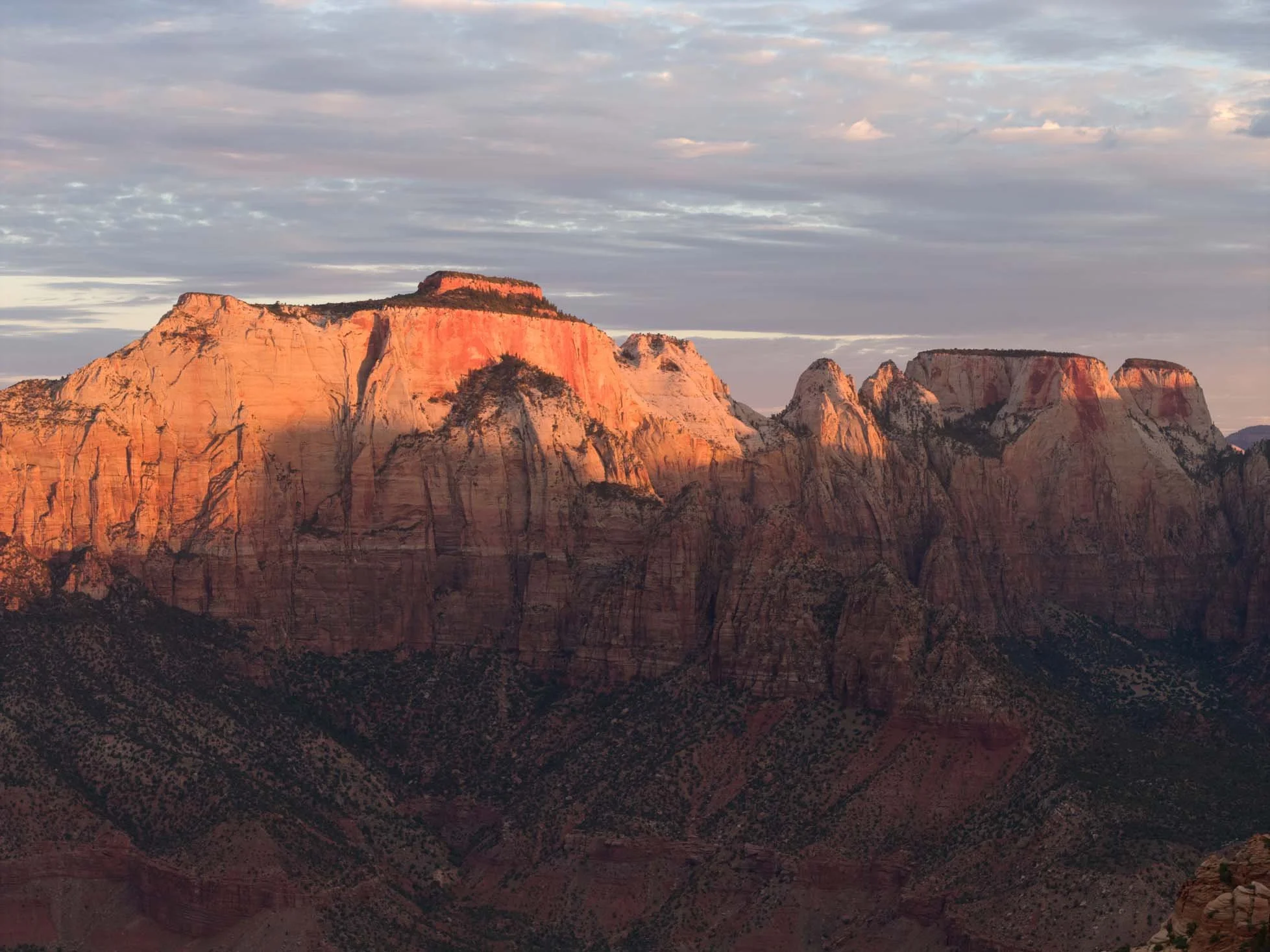
Warm evening light washes over Zion’s sandstone cliffs, revealing layers of color, texture, and time. As the sun lowers, long shadows settle into the canyon below, creating a quiet contrast between light and depth across the landscape.
Before You Go
A few moments of preparation can shape your entire day in Zion National Park.
Check shuttle status and seasonal access
Shuttle operations change throughout the year and affect how you move through the parkReview current weather and conditions
Desert weather can shift quickly, and flash flood risk should always be taken seriouslyConfirm trail conditions and permits
Some hikes, including Angels Landing, require permits, and conditions can change dailyPlan your arrival time
Early mornings and late afternoons tend to offer a more easeful experienceBring water, sun protection, and appropriate gear
Even short outings can become demanding in the desert climate
A Note on Guidance
Resources like this are meant to support your planning and help you feel at ease during your stay.
For the most accurate and up-to-date information, we recommend checking directly with park officials through the National Park Service and reviewing weather updates from the NOAA (National Oceanic and Atmospheric Administration).
A brief conversation with a ranger, or a quick check of official updates, can offer clarity that no guide can fully replace.
Plan Your Time in Zion National Park
-
Shuttles, transportation, and flow
Zion operates two shuttle systems during much of the year, each serving a different purpose.
The Two Shuttle Systems
The town shuttle in Springdale, which moves through town and drops visitors near the park entrance
The park shuttle, also known as the Zion Canyon Line, runs within the canyon and stops at major trailheads
What to Know
Shuttles are seasonal, typically running from March through November, with additional service during holiday periods
When in operation, private vehicles are not permitted on Zion Canyon Scenic Drive
Service is frequent, though lines build quickly, especially midmorning
Nama-Stay Note:
Arriving early in the morning often allows for a smoother start
Late afternoon offers a quieter return to the canyon
Midday tends to be the most congested
For current schedules, seasonal dates, and updates, refer to the
National Park Service website.
-
What Guests Should Expect
Parking is one of the most common concerns, and one of the easiest to plan around with the right expectations.
Key Realities
Zion Visitor Center parking often fills early in the morning
Street parking in Springdale is available, though limited
Guests staying overnight at Nama-Stay are welcome to park their vehicles and take a shuttle from the nearest station, about a 5-minute walk away.
When Shuttles are Not Running
During the off-season, visitors may drive into Zion Canyon. Space is limited, and the canyon may close to traffic when capacity is reached or when conditions create safety concerns.
Starting early or choosing a slower morning and returning later in the day often leads to an easier experience.
A Note on Responsible Parking
Please park only in designated spaces, regardless of the season or location.
Avoid parking on vegetation or natural ground. This helps preserve the landscape and reduces the risk of fire.
-
Choosing the Right Experience
Zion offers a wide range of experiences, from quiet riverside walks to exposed climbs with significant elevation.
Commonly Asked About Hikes
Angels Landing
A permit is required. The trail is steep and exposed, and not suited for everyoneThe Narrows
A walk through the Virgin River. Conditions vary and should always be checked in advanceEmerald Pools
Accessible, scenic, and often busyCanyon Overlook Trail
Short, elevated, and located on the east side of the park
Gear and Preparation
For Narrows hiking, canyoneering, and general adventuring gear, we recommend visiting Zion Guru.
Nama-Stay guests receive an additional discount, and their team offers guidance tailored to current conditions.
A Better Way to Choose
Instead of asking what the best hike is, consider what feels right for the day.
Energy, weather, and crowd levels often matter more than popularity.
-
What to Expect, and What to Respect
Zion’s weather shapes the experience, and at times, the level of risk.
Seasonal Overview
Summer brings intense heat, often above 100°F, with strong sun exposure
Spring and fall offer moderate temperatures, though conditions can shift quickly
Winter includes cold mornings, occasional snow, and fewer crowds
A Critical Safety Note
Flash flooding is a real and serious risk, particularly in narrow canyons such as The Narrows.
Always check conditions with the National Park Service and NOAA before entering any slot canyon.
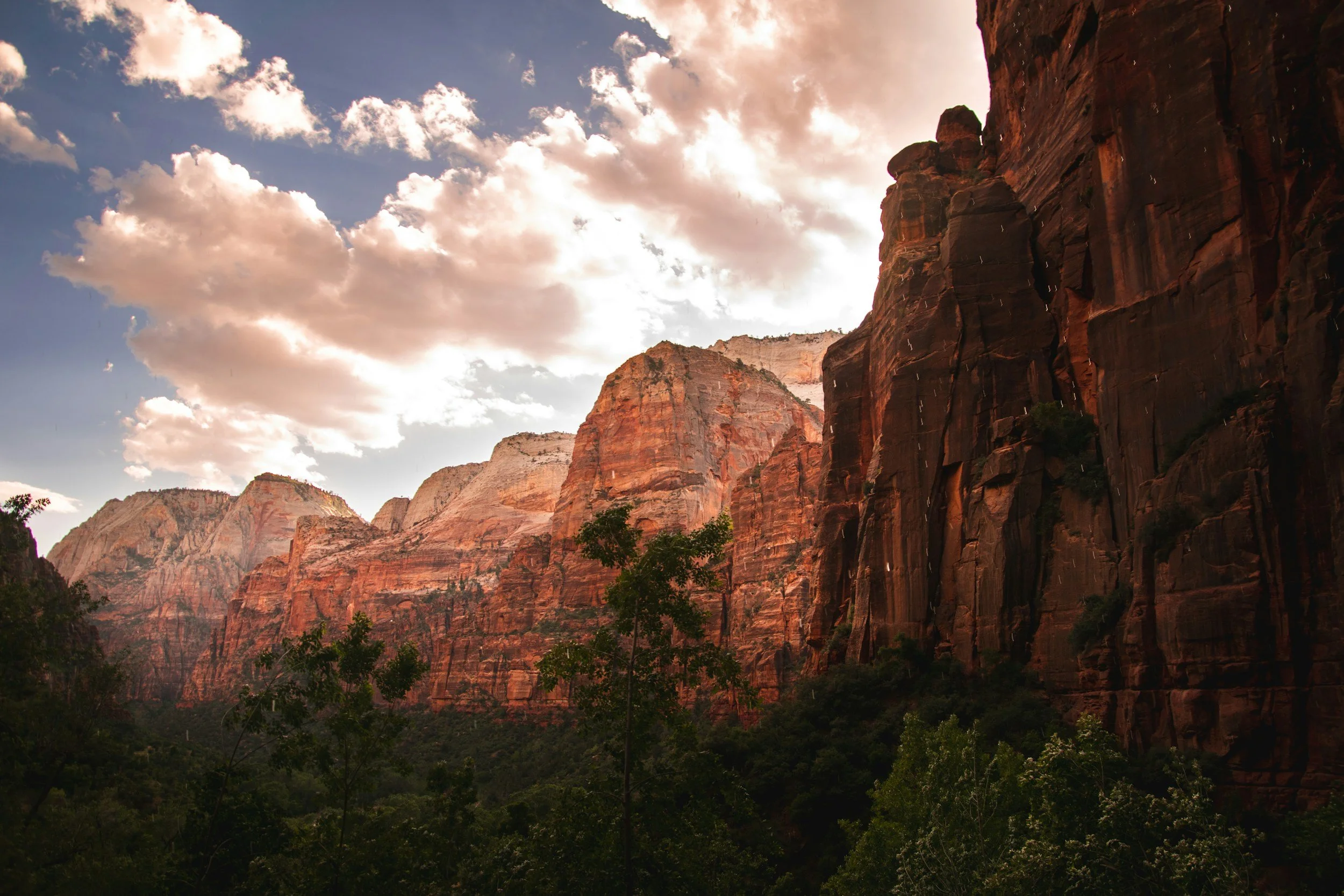
Zion Canyon cliffs viewed from Weeping Rock with backlit clouds and sunlight on sandstone walls.
A Note on Stewardship
Zion is more than a destination. It is a protected landscape, shaped over time and cared for by many.
As you move through the park, we invite you to travel with that same care.
Pack out everything you bring in
Remain on established trails and designated areas
Avoid disturbing plants, wildlife, and natural features
Leave each place as you found it, or better
Even small choices help preserve the canyon for those who come after.
A quiet kind of stewardship, practiced consistently, allows places like Zion National Park to remain what they are.
A Simple Rhythm for Your Day
Many guests find a natural flow in structuring their day this way.
Early morning, enter the park or begin a hike
Midday, return to town for rest and food
Evening, reenter the canyon for quieter exploration or sunset
Zion is rarely best experienced all at once. It unfolds gradually.
Remember that you do not need to see everything while you are here.
You only need to notice what stays with you.
Trusted Resources
Wander Well Field Notes are created to support thoughtful planning, but conditions in Zion National Park can change quickly.
Before entering the park, we recommend checking directly with park officials, speaking with a ranger when possible, and reviewing current updates from trusted sources.
National Park Service
For current alerts, shuttle schedules, road access, trail conditions, permits, and seasonal updatesNOAA
For weather forecasts, flash flood risk, and changing conditions across Southern UtahZion Guru
For Narrows gear, canyoneering equipment, e-bike rentals, and local insight. Nama-Stay guests receive an additional discountZion Visitor Center and Park Rangers
For real-time, place-specific guidance. When in doubt, a conversation with a ranger is often the most helpful step
Returning to Rest
Experiencing Zion National Park is not something to complete.
It is something to move through and then gently step away from.
When the day has offered what it will, Nama-Stay is a quiet place to return to.
Close to the park, grounded in the desert, and designed for rest after connection.
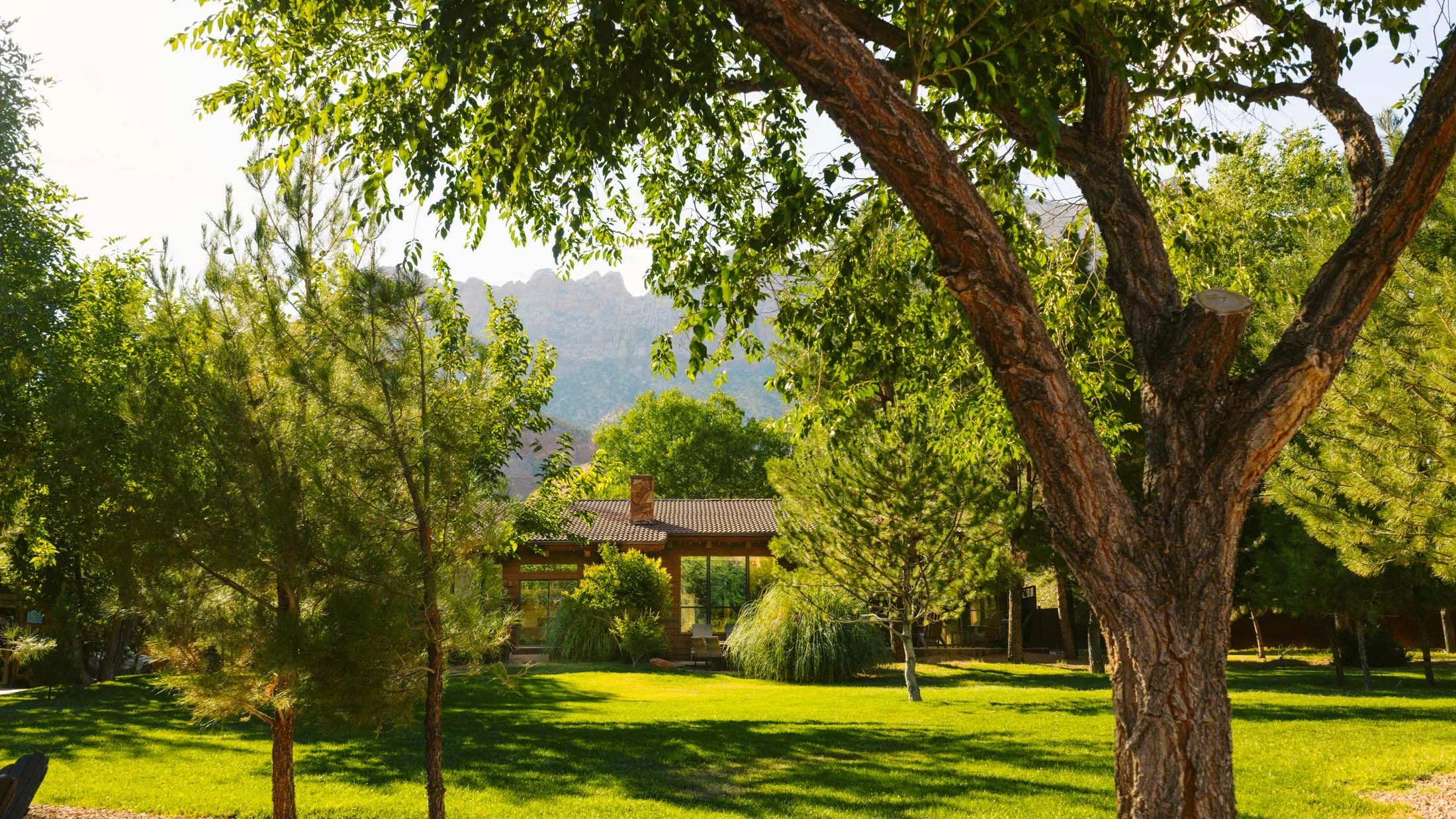
A sanctuary for rest, reflection, and return